With the United States of America preparing to celebrate its 250th birthday this summer, it is an opportune time to take a look back to Pekin’s early history — and its “prehistory” that reaches back to colonial times.
Prior to the American Revolution, and in the decades immediately after, the site and surrounding area where Pekin eventually would be establish was home to Native American tribes such as the Peoria, the Kickapoo, the Pottawatomi, and the Miami. Also living in the general vicinity were French fur traders, who are known to married Native American wives from our area. The presence of the French, of course, was because the Illinois Country was under French rule prior to the French and Indian War that ended in 1763. At the time of the War of 1812, Illinois Territorial Gov. Ninian Edwards reported that a half-French Kickapoo chief named Sulky LeBourse camped with his band on the Little Mackinaw, at or very close to the future site of Pekin. Later, around the time of Pekin’s founding or soon after, the Pottawatomi peace chief Shabbona is reported to have camped near Main and Fayette streets south of the cabin of Pekin’s first white settler Jonathan Tharp. A village inhabited mostly by Pottawatomi and Kickapoo also existed in the early 1830s along Gravel Ridge above Pekin Lake and near the south shore of the seasonal Illinois River backwater known as Worley Lake — but they were deported to reservations west of the Mississippi during the Indian removal after the Black Hawk War.
Following is a timeline of major events relevant to Pekin’s prehistory, extending from the end of the French and Indian War in 1863 until Pekin’s found in 1830:
- 7 Oct. 1763 – Royal Proclamation of King George III creates the Indian Reserve between the Appalachians and the Mississippi – include the Illinois Country.
- 4 July 1776 – Declaration of Independence.
- 1778-1779 – Col. George Rogers Clark of Virginia’s Illinois Campaign secures the Old Northwest against the British, erecting the areas that would become Ohio, Indiana, Michigan, Wisconsin, and Illinois as the State of Virginia’s “Illinois County,” with the county seat at Kaskaskia, with Virginia Gov. Patrick Henry appointing Col. John Todd as Lieutenant-Commandant of Illinois County.
- 1784 – Congress persuades Virginia to cede Illinois County to the federal government.
- 7 May 1785 – Land Ordinance of 1785 establishes standardized system of surveying for lands west of the Appalachians.
- 13 July 1787 – Northwest Ordinance creates the Northwest Territory.
- 7 May 1800 – Indiana Territory created from the Northwest Territory.
- 3 Feb. 1809 – Illinois Territory created from the Indiana Territory.
- 3 Dec. 1818 – Illinois becomes a State.
- 1823 – Federal surveys of Illinois townships begin.
- 1824 – Jonathan Tharp of Ohio settles at what is now the foot of Broadway.
- 31 Jan. 1827 – Tazewell County created.
- 1829-1830 – Tazewell County Surveyor William H. Hodge conducts initial survey of future site of Pekin.
- 28 Dec. 1829 – Nathan Cromwell appointed to survey “Town Site” for a formal plat.
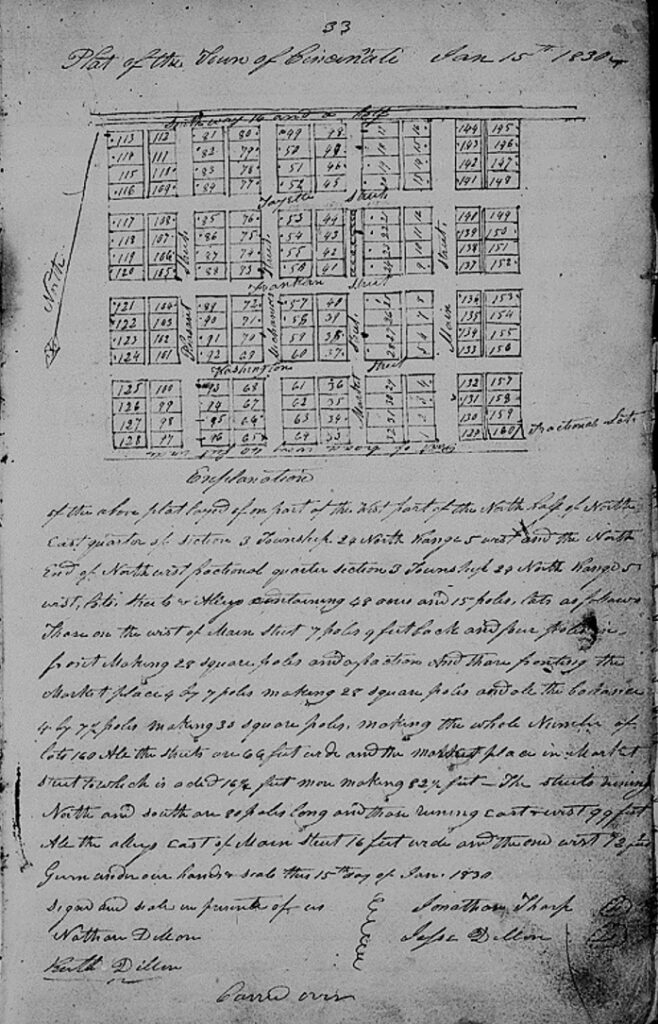
- 15 Jan. 1830 – Jonathan Tharp and members of the Dillon family legally record a plat for the rival proposed Town of Cincinnati, later to become the Cincinnati Addition of Pekin when the plans for the town do not bear fruit.
- 18 Jan. 1830 – “Town Site” survey completed.
- 19 Jan. 1830 – The name “Pekin” is chosen for the proposed Town Site.
- 14 April 1830 – Public sale of lots in Pekin.

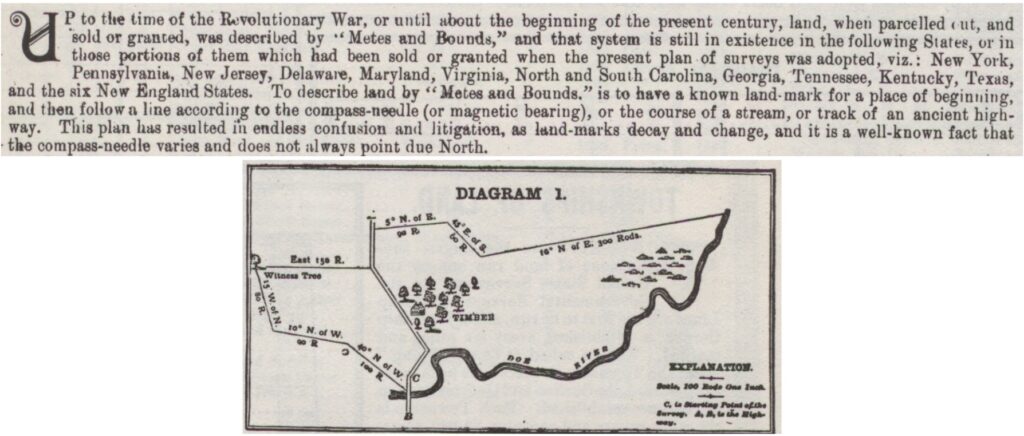
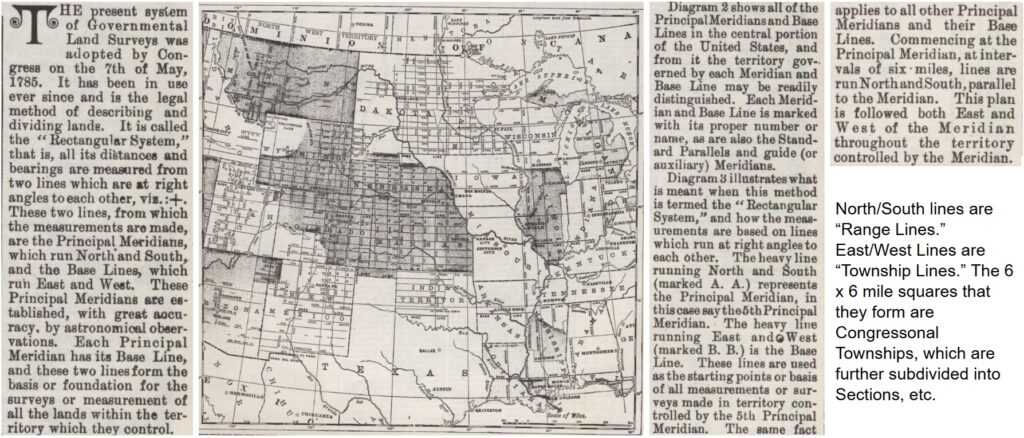
Two of the events or developments outlined above had direct bearing on the surveying, mapping, and platting of Pekin and its environs. The Land Ordinance of 1785 formally replaced the old “metes and bounds” method of determining property boundaries with a scientific surveying and platting method that had been developed over the previous century or so. Instead of “metes and bounds,” Congress directed that the Northwest Territory (including what would become Tazewell County and Pekin) would be surveyed into “townships” using a “Rectangular System” that relied on geographical coordinates of intersecting lines of latitude and longitude — “Meridians” and “Base Lines.” The difference between those two surveying systems was explained in the 1891 Tazewell Count atlas, as excerpted below:
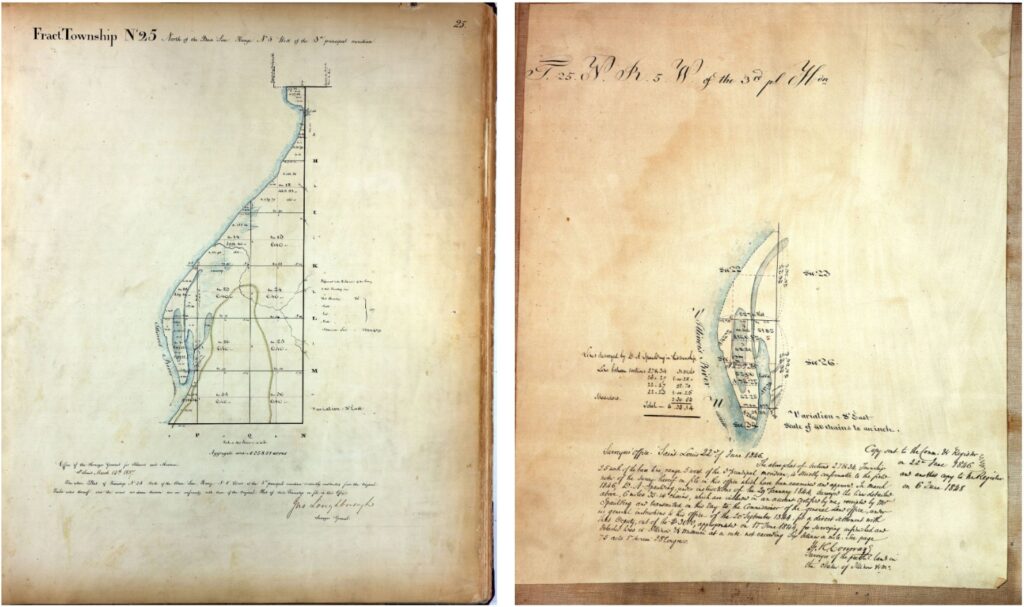
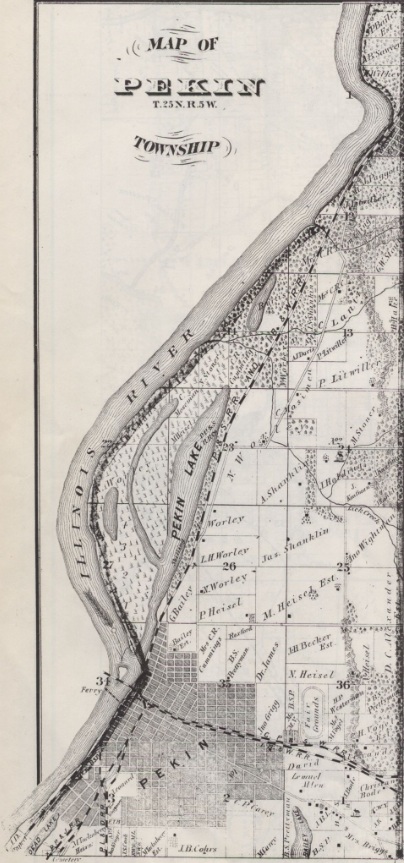
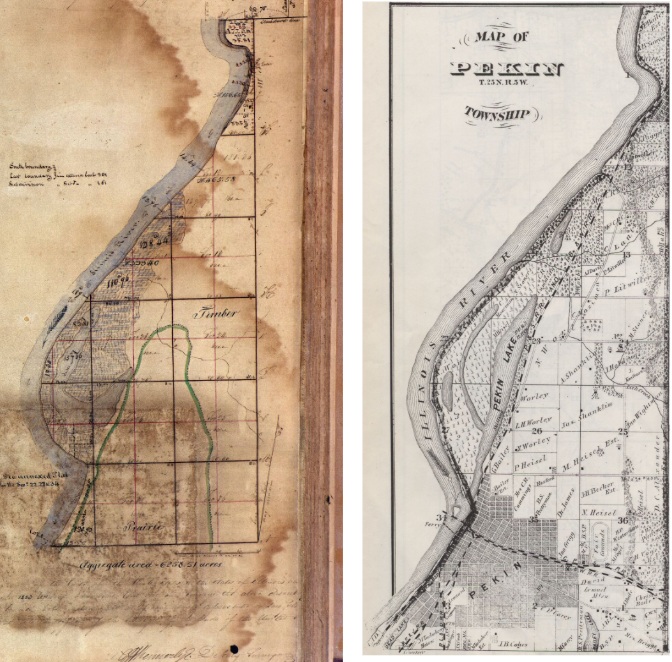
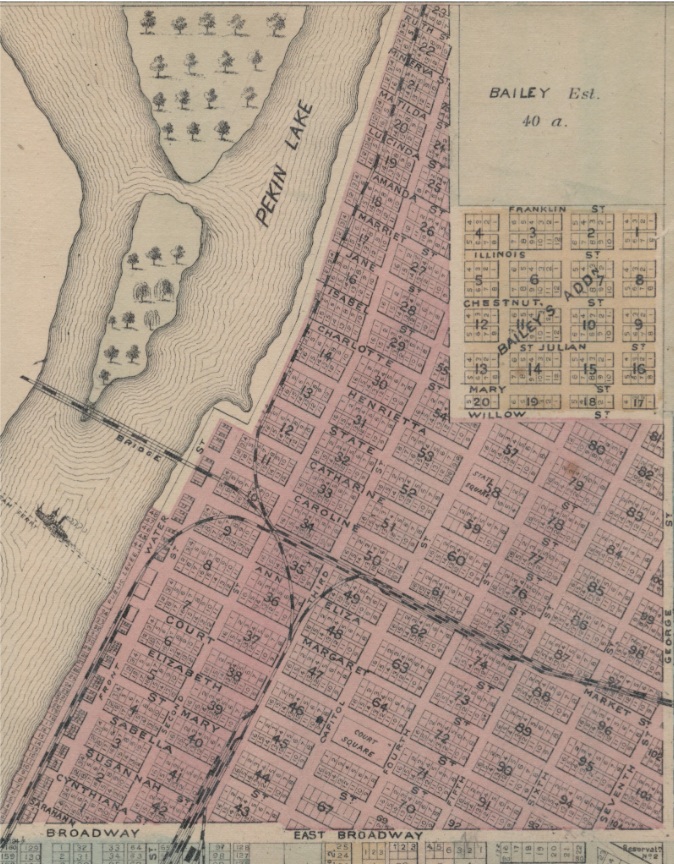
In 1823, federal surveyors went to work on conducting official surveys of Illinois’ congressional townships. From their surveying field notes, a series of formal township plats were drawn up, which may be studied at the website of the Illinois State Archives. Here below is an 1835 hand-drawn federal plat of the congressional township that would later be named “Pekin Township,” followed by further plats from the 1840s, 1850s, and 1870s. Note that the 1835 plat dates from only five years after the founding of Pekin.
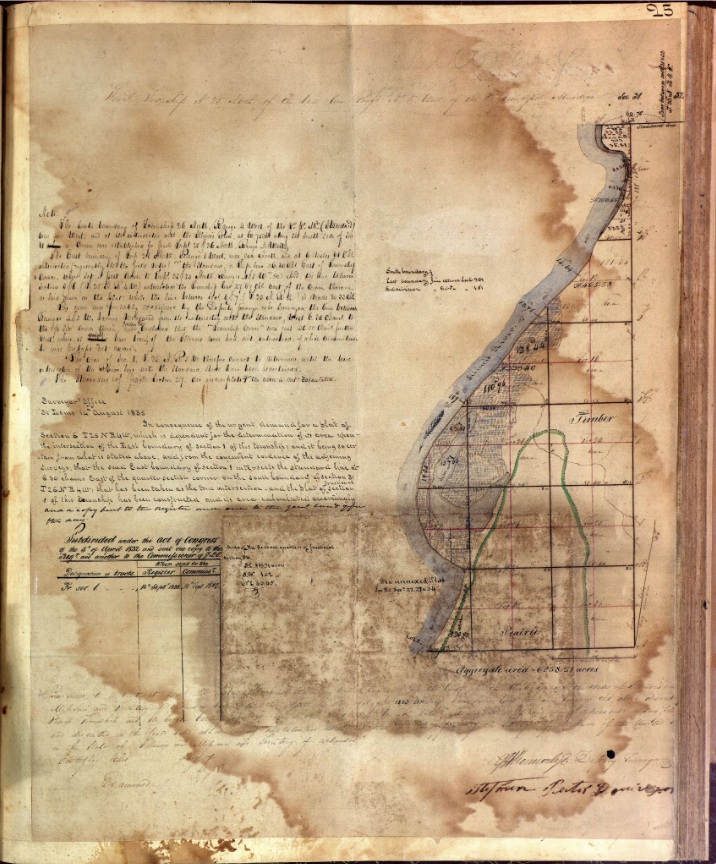
Range No. 5 West of the 3rd. principal meridian” — T. 25N R. 5 W. This congressional township was not formally named “Pekin” Township until 1849-50. IMAGE FROM ILLINOIS STATE ARCHIVES
As the timeline above shows, it was almost 202 years ago that Jonathan Tharp built his log cabin at a spot that is today the foot of Broadway – the seed of the pioneer village that would become the City of Pekin. Many of the events pertaining to the early settlement and planning of Pekin have been documented in books, newspapers, and photographs, but a great many of those events have been forgotten – and even what has been recorded often suffers from gaps of detail that might be of interest to us today but didn’t seem important enough to our ancestors to record.
Pekin’s founding story is told and retold in the standard published works on Pekin’s history, which are:
- Pekin Centenary (1949)
- Pekin Sesquicentennial (1974)
- Pekin: A Pictorial History (1998, updated 2004)
- Pekin Bicentennial Pictorial 1824-2024
Earlier published works telling of Pekin’s history (these were sources for the standard works) include:
- Sellers & Bates Pekin City Directory (1870-71)
- Charles C. Chapman’s History of Tazewell County (1879)
- Ben C. Allensworth’s History of Tazewell County (1905)
These seven works are interdependent: they copy from each other and pick up where the preceding work left off, continuing the story of Pekin to the date of publication. But the 2024 pictorial includes narrative details that are not found in the earlier work — because those details were unavailable prior to 2016! It was the opening of the Tazewell County Courthouse 1914 time capsule in the summer of 2016 that enabled local historians to refresh many of our memories of the county’s and Pekin’s history. Among those refreshed memories are forgotten details of the story of Pekin’s founding which never made it into the earlier history books.
One of those details is the fact that if a crucial vote of stockholders had turned out differently, we might today be living in the city of “Port Folio.”
That and other fascinating details are found in a precious four-page document that was one of several items included in the 1914 time capsule but not listed among the contents of the courthouse cornerstone printed in the “Historical Souvenir” published for 21 June 1916 dedication ceremonies. Apparently it was decided to include this document and several other items only after the “Souvenir” was already printed. When the time capsule was opened, this document unexpectedly was found within a stationery envelope of Pekin attorney John T. Elliff. Typed on the envelope was this description of the document’s provenance: “The within paper left in the office of the late William Don Maus and now in possession of John T. Elliff, Atty., Pekin, Ill.” William Don Maus (1836-1901) — not to be confused with Pekin’s pioneer physician Dr. William S. Maus (1817-1872) — had come to Tazewell County with his father in 1847. William Don Maus moved to Pekin in 1854 and became an attorney in 1857, later serving as a county judge in the 1860s.
The document in question dates from 1830 and contains handwritten minutes from the stockholder meetings of the company that founded Pekin. The minutes were taken at meetings held from 28 Dec. 1829 to 19 Jan. 1830, and then formally attested and signed in March 1830. The information in the minutes substantially corroborates the accounts of our city’s founding that may be read in the standard published works on Pekin’s history. Some of the specific traditions about Pekin’s founding are not substantiated by the minutes, while other quite interesting details mentioned in the minutes go unmentioned in the standard Pekin histories.
To illustrate that point, let’s first review what Pekin’s pioneer historian William H. Bates (who seems to have selected most of the contents of the 1914 cornerstone time capsule) had to say about Pekin’s founding in his account which was printed in the 1870-71 Sellers & Bates Pekin City Directory, pages 9-10.
“At the land sales at Springfield in the fall of 1828, the ‘Town Site’ was purchased by Maj. Cromwell for a company composed of himself, William Haines, William Brown, Thomas Snell, Peter Menard, Dr. Warner, A. Herndon and —- Carpenter, of Sangamon county, and the purchase was divided into twelve parts. The question as to who should possess so important a piece of ground as the present location of Pekin created considerable excitement and the feeling rose to such a pitch at the land sale that pistols were drawn and bloodshed seem (sic) inevitable. The parties above mentioned, were successful, however, and the matter was amicably adjusted. . . .
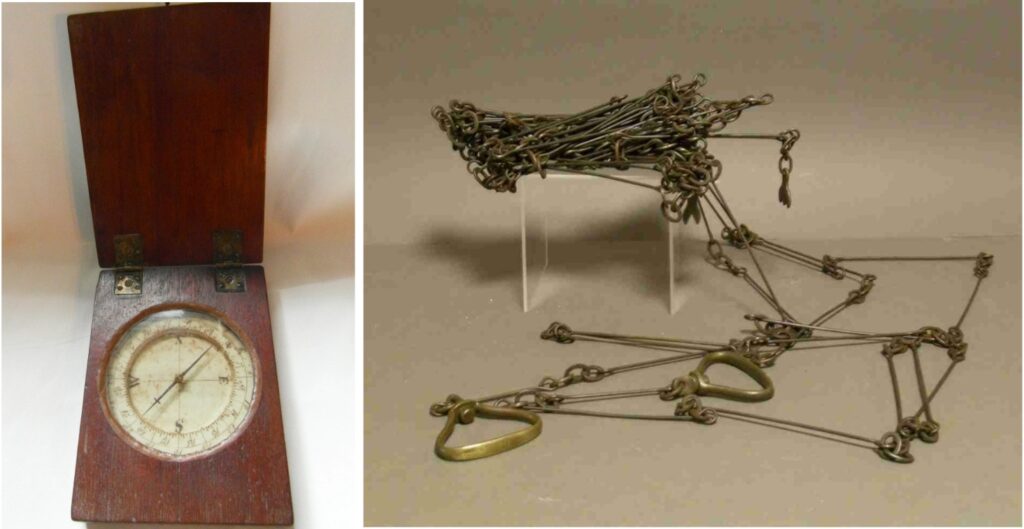
“In 1829 a survey of ‘Town Site’ was made by William Hodge of Blooming Grove, then County Surveyor. The compass run without variation and, in the absence of a surveyor’s chain, the town lots were measured with a string.
“The survey made, and the town laid out, Mrs. Cromwell being called upon, exercised her share of woman’s rights in that early day by christening the embryo city of the new Celestials, PEKIN. Why she thus named it the legendary history of the days gone by fail to record, and we can only surmise that in the plenitude of her imagination she looked forward to the time when it would equal in size that other Pekin – the Chinese City of the Sun.”
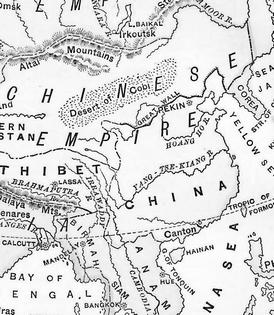
Note that Bates mentions nothing of the urban legend of settlers placing their fingers on a globe and choosing the name of the city on the other side of the planet from Pekin. It is extremely unlikely that any of them owned any globes, but there was probably a world atlas in their possession — and it is significant that Pekin, Illinois, like Pekin, Ohio, is approximately on the same line of latitude as Beijing (Peking or Pekin). The records that come down to us from Pekin’s first settlers make clear that they named their new “Town Site” after the capital of China.
Many of the details in Bates’ account are supported by the testimony of the minutes, but many other things of which Bates tells aren’t mentioned in the minutes at all. For example, the names of company members Cromwell, Haines, Brown, Menard (as well as Menard’s agent Sgt. Griffin), and Carpenter appear in the minutes (which give Carpenter’s first name as William), along with two other members, Orrin Hamlin and David Bailey — but Bates’ account doesn’t mention other settlers who have long been known to have been important members of the company, such as Major Isaac Perkins and Gideon Hawley (called “Isaac Pirkins” and “Gidian Holley” in the minutes).
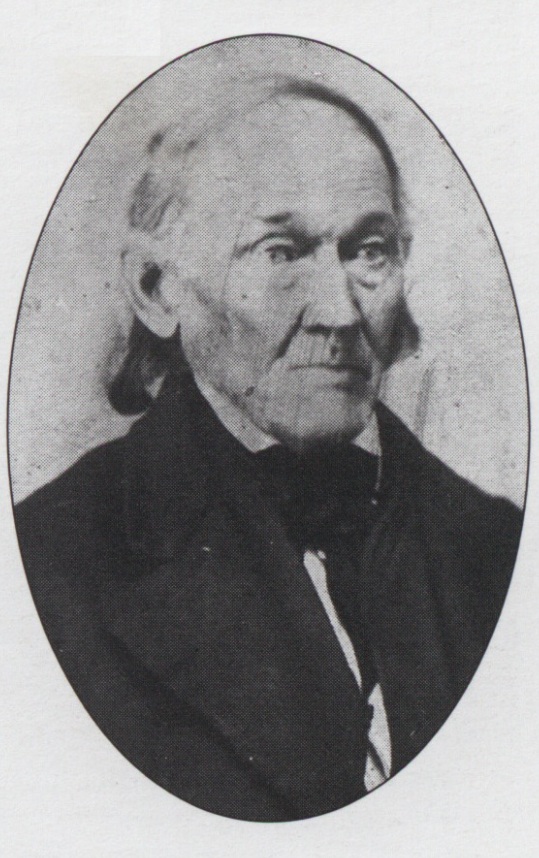
As for the skirmish at the land sale, related in Jacob Tharp’s 1860 diary as well as the 1949 Pekin Centenary and 1974 Pekin Sesquicentennial volumes, perhaps understandably no reference to it appears in the company minutes, nor is there any mention of the purchase being divided into 12 parts. The minutes merely state that the land be surveyed and laid out into lots, and that Major Nathan Cromwell was appointed “to survey said parcels of land, and lay it off into Town plat and forme (sic) as the Commisioners (sic) present did devise and agree upon.” The minutes record the surveying of “Town Site,” calling for the hiring of “Chain carriers and Stakers” to “afsist and Compleet said Survey,” but the name of the actual surveyor, William Hodge, isn’t mentioned, nor is anything said in the minutes of the unavailability of a Gunter’s chain making necessary the use of string.
The minutes are especially valuable for providing specific dates for key events in the process of Pekin’s founding. Later sources generally give only the year or the season of the year in which these events took place, and sometimes these sources even give the wrong year. The minutes make clear, however, that it was on Dec. 28, 1829, that Cromwell was appointed to survey and stake out the proposed town, and Cromwell reported on Jan. 18, 1830, that “the survey of Said Town, is Compleeted (sic) and the Stakeing (sic) nearly done.” On Jan. 19, 1830, the company’s commissioners met again to decide on the name of the new town and to arrange the sale of lots to be announced in several newspapers throughout the Midwest. That same day, the commissioners directed Cromwell, who was named clerk of the settlers’ company (these minutes are therefore in Cromwell’s handwriting), to have the town plat “recorded according to law,” and then they chose two other of its members as officers of the corporation. Brown was named treasurer as well as the land agent for the stockholders, and Haines was named secretary.
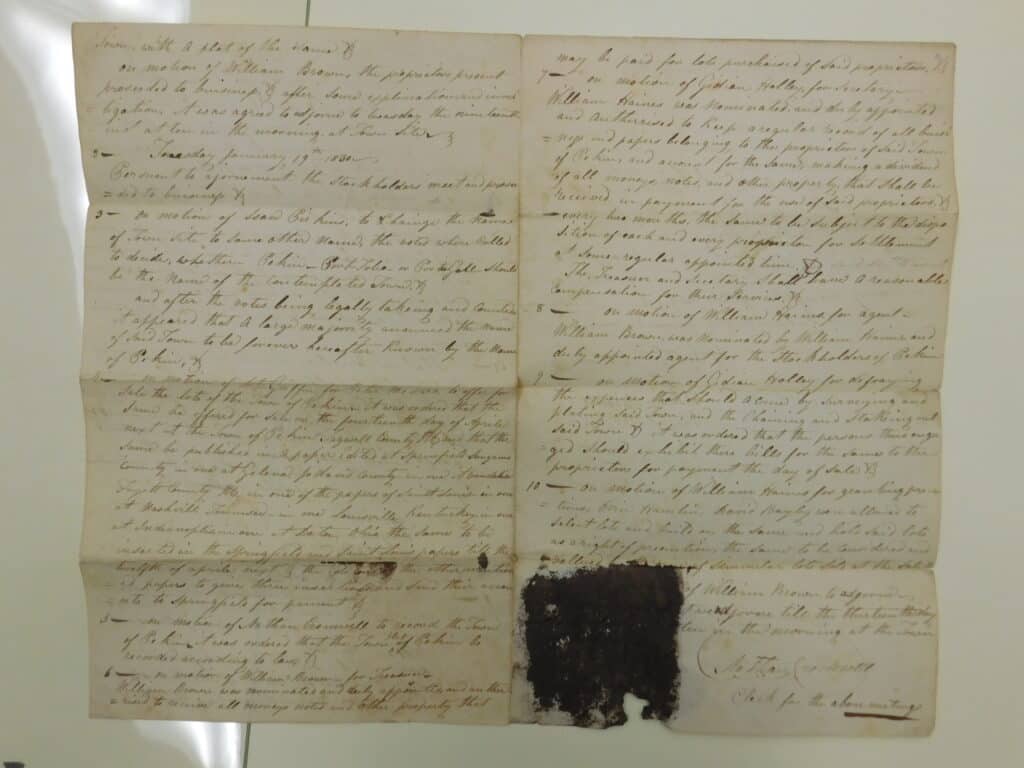
Perhaps the most remarkable fact mentioned in these minutes, however, is the account of the naming of Pekin on Jan. 19. This passage of the minutes is worth quoting in full (spelling, capitalization, and punctuation as in the original):
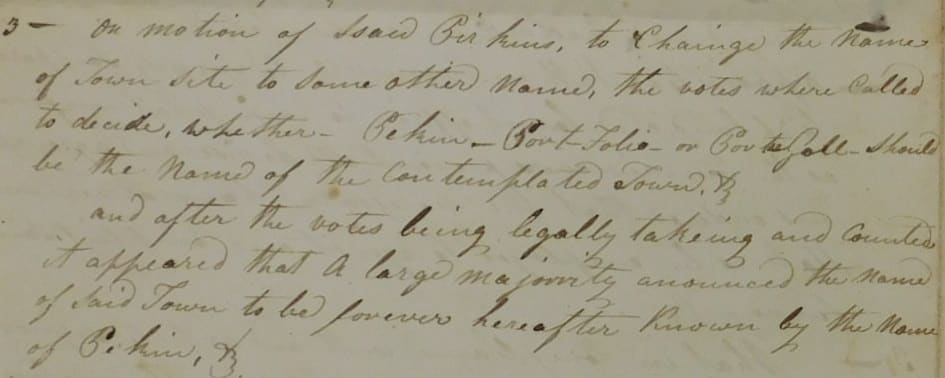
“on motion of Isaac Pirkins, to Chainge the name of Town Site to Some other name. the votes where Called to decide, whether – Pekin – Port-Folio – or PortuGall – Should be the name of the contemplated Town. and after the votes being legally takeing and Counted, it appeared that a large majority announced the name of said Town to be forever hereafter Known by the name of Pekin.”
The minutes say nothing about Ann Eliza Cromwell choosing the name “Pekin,” but given the unanimity of the early sources that “Pekin” was her idea, there is no reason to doubt that tradition. The early sources and standard histories say nothing, however, about “Pekin” being just one of three possible choices – and consequently we don’t know who wished the new town to be named “Port-Folio” or “PortuGall” (Portugal).
How very different Pekin’s history would have been had “Port Folio” or “Portugal” beat out “Pekin.” There would never have been a Pekin professional baseball team named “the Celestials,” no Chinese-themed downtown theater, and instead of the “Pekin Chinks” and “Pekin Dragons,” we might instead be rooting for the Port Folio Financials or the Portugal Galos (Roosters).
Full images of the 1830 minutes document, along with a complete transcription of the document’s cursive script, may be examined below.
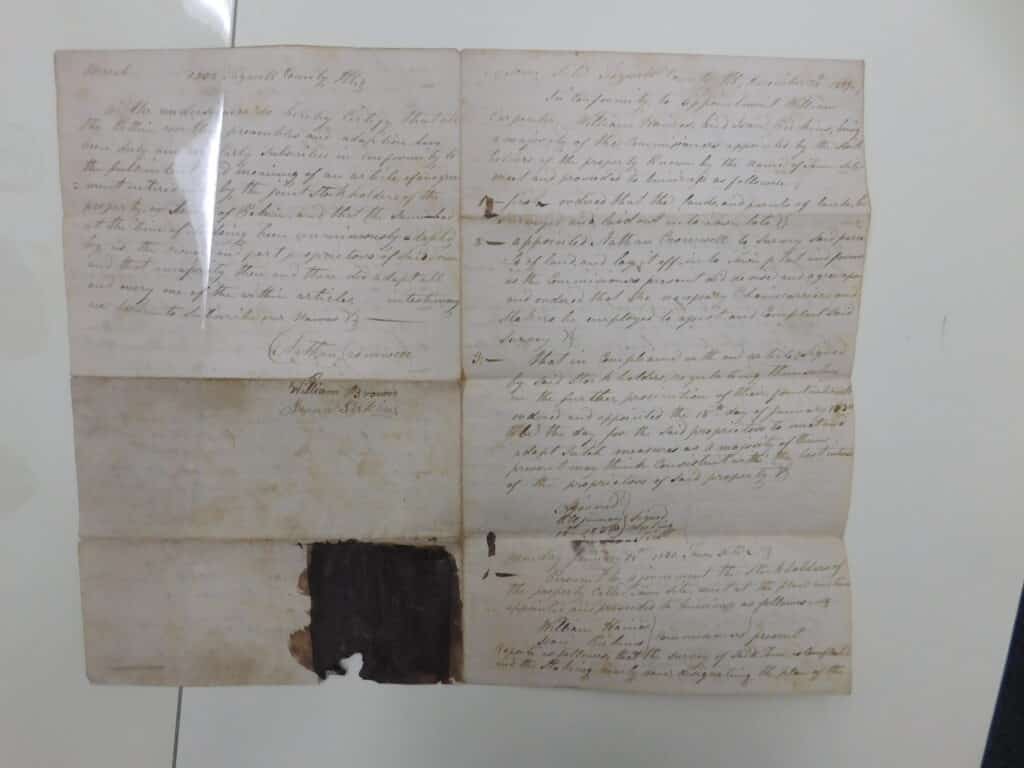
Town Site Tazwell County, Ill., December 28th – 1829.,
In Conformity to appointment William Carpenter, William Haines, and Isaac Pirkins, being a majority of the Commifsioners appointed by the stock -holders of the property Known by the name of Town Site Meet and proceeded to buisinefs as followes.
1 – first, ordered that the lands, and parcels of lands, be surveyed and laid out into Town lots.
2 – appointed Nathan Cromwell to survey said parce -ls of land, and lay it off into Town plat and forme as the Commisioners present did devise and agree upon and ordered that the necefsary Chain carriers and Stakers be employed to afsist and Compleet said Survey.
3 – That in Compliance with an article, signed by said stockholders, regulating themselves in the further prosecution of their joint interests ordered and appointed the 18th day of January 1830 to be the day for the Said proprietors to meet and adopt Sutch measurers as a majority of them present may think Consistent with the best interest of the proprietors of said property.
Adjorned Till January 8th 1830 meeting
Signed
First
Monday January 18th 1830. Town Site
1 – Persuent to ajournement the Stockholders of the property Called Town Site, meet at the place and time appointed and proceeded to buisinefs as followes – William Haines Isaac Pirkins Commisioners present reporte as followes, that the survey of Said Town, is Compleeted and the Stakeing nearly done, designating the plan of the
Town, with a plat of the same.
on motion of William Brown, the proprietors present proceeded to buisinefs – after Some explination, and inves -tigation, it was agree to adjorne to Tuesday the nineteenth inst at ten in the morning. at Town Site.
2 – Tuesday, January 19th 1830 Persuant to ajornement the Stockholders meet and prosee -ded to buisinefs.
3 – on motion of Isaac Pirkins, to Chainge the name of Town Site to Some other name. the votes where Called to decide, whether – Pekin – Port-Folio – or PortuGall – Should be the name of the contemplated Town. and after the votes being legally takeing and Counted, it appeared that a large majority announced the name of said Town to be forever hereafter Known by the name of Pekin.
4 – on motion of Sgt. Griffin, for Peter Menard, to offer for Sale the lots of the Town of Pekin, it was ordered that the Same be offered for Sale on the fourteenth day of Aprile next at the Town of Pekin. Tazwell County Ill. And that the Same be published in a paper Edited at Sprinfield Sangamo county, in one at Gelena. Jo davis County – in one at Vandalia Fayett County Ill., in one of the papers at Saint Louis – in one at Nashville Tennesee – in one Louisville Kentuckey, in one at Indianoplis, in one at Da ton Ohio, the Same to be inserted in the Springfield and Saint Louis papers till the twelfth of aprile next – the Editors of the other mention -ed papers to give three insertions and send their accou -nts to Springfield for pament.
5 – on motion of Nathan Cromwell to record the Town of Pekin, it was ordered that the Town plat of Pekin be recorded according to law.
6 – on motion of William Brown – for Treasuer – William Brown was nominated and duly appointed, and auther -rised to receive all moneys notes and other property that
may be paid for lots purchaised of Said proprietors.
7 – on motion of Gidian Holley, for Secetary – William Haines was nominated. And duly appointed and autherrised to Keep a regular record of all buisi -nefs and papers belonging to the proprietors of Said Town of Pekin, and account for the Same, makeing a dividend of all moneys, notes, and other property, that Shall be received in payment for the use of said proprietors. every two months. the same to be subject to the dispo sition of each and every proprietor for Settlement at Some regular appointed time. The Treasuer and Secetary Shall have a reasonable Compensation for their Services.
8 – on motion of William Haines, for agent – William Brown, was nominated by William Haines, and Duly appointed agent for the Stockholders of Pekin
9 – on motion of Gidian Holley for defraying the expences that Should a crew by Surveying and plating said Town, and the Chaining and Stakeing out said Town – it was ordered that the persons thus enga -ged Should exhibit there bills for the same to the Proprietors for payment the day of Sale.
10 – on motion of William Haines for granting pre em -tions, Orrin Hamlin, David Bayley were allowed to Select lots and build on the Same and hold Said lots as a right of preemption, the Same to be Considered and valued by the price of Simmilar lots sold at the Sale.
[11 – on motion] of William Brown to adjorne – ,
t we adjorne till the thirteenth day ten in the morning at the Town [of Pekin.]
[Signed] Nathan Cromwell Clerk for the above meetings
March 1830, Tazwell County, Ill.
We the undersigners do hereby Cirtify that all the within written preambles and adoption have been duly and regularly Subscribed in conformity, to the full intent and meaning of an article of an agree -ment entered into by the joint Stockholders of the property, or Town of Pekin, and that the Same had at the time of its doing been unanimously adapted by us, the owners and part proprietors of Said Town and that amajority then and there did adopt all and every one of the within articles. intestimony we hereunto Subscribe our names –
Nathan Cromwell
William Brown
Isaac Perkins